

Ethical Hacking: Master the Art of Cyber Defence
Ethical-Hacking us an important part in today’s digital world, Now it is more important to protect sensitive information and preventing cyber threats have become more important than ever. As businesses, organisation and individuals highly based on technology, the risk of Cyberattacks continues to grow.
Ethical hackers use their technical skills to identify security weaknesses, test systems, and protect valuable data before cybercriminals can exploit them. By understanding Ethical-Hacking one can built practical cybersecurity skills, also know how hacker can think and start a rewarding career in the growing field of cyber defence.
What is Ethical-Hacking and how it protects Digital World?
Ethical-Hacking is the practice of testing computer systems, networks, and applications to identify security weaknesses before cybercriminals can exploit them. Ethical hackers, also known as white-hat hackers, use their technical knowledge and hacking techniques legally, with proper permission, to protect digital information and prevent cyber threats. Their main goal is to strengthen security rather than cause harm.
In today’s technology-driven world, businesses store important information such as customer details, financial records, passwords, and business data online. A small security weakness can lead to data theft, financial loss, or system damage.
How Ethical-Hacking Protects the Digital World?
- Vulnerability Identification: Ethical hackers find weak passwords, software bugs, and security gaps before attackers can misuse them. For example, they may identify an outdated website plugin that could expose customer information.
- Penetration Testing: They simulate cyberattacks such as SQL injection, phishing, and brute-force attacks to ensure that security systems can handle real-world threats.
- Reducing Financial Risks: Finding and fixing security issues early helps businesses avoid expensive data breaches, ransomware attacks and reputational damage.
- Regulatory Compliance: Ethical hacking helps organisations follow security standards and protect sensitive customer information.
- Incident Response and Security Improvement: Ethical hackers prepare reports explaining security problems and suggest solutions to prevent future attacks.
For example, an ethical hacker may test a banking website to identify weaknesses in its login system. By fixing these issues, the bank can protect customer accounts from unauthorised access.
Ethical hacking plays an important role in building a safer digital environment by protecting information, strengthening systems, and creating trust in technology.
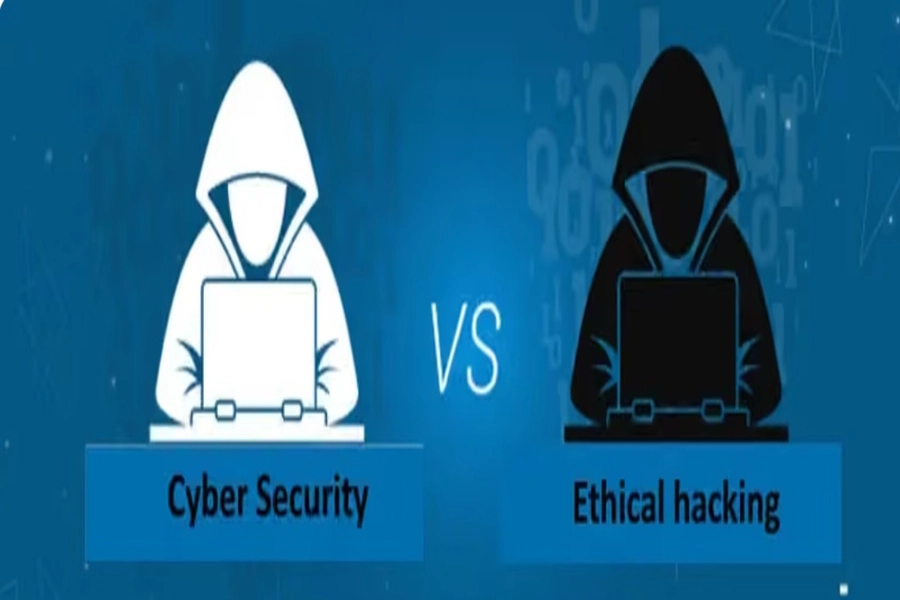
Source: jetking
Ethical-Hacking vs. Cybercrime: Know the Difference
Ethical-Hacking and Cybercrime both involves using technical skills to get access of computer system, networks and digital information. However, the main difference lies in their purpose, permission and actions. Ethical Hackers use their knowledge to understand security weaknesses and protect system, while cybercriminals exploit these weakness to steal information, damage system or make illegal profits.
Ethical Hackers are known as White Hat Hacker, in which cybercriminals are known as Black Hat Hackers. Understanding the difference helps businesses and individuals identity also the importance of responsible cybersecurity practices.
Key Differences Between Ethical-Hacking and Cybercrime
| Feature | Ethical Hacking (White Hat) | Cybercrime (Black Hat) |
| Permission | Requires written permission from the system owner. | Accesses systems without authorisation. |
| Purpose | Protects systems and sensitive information. | Steals data, demands money, or causes damage. |
| Methods | Uses approved security testing techniques. | Uses malware, phishing, ransomware, and other harmful methods. |
| Results | Provides reports and solutions to fix security issues. | Steals, sells, or misuses confidential information. |
| Legal Status | Legal when performed within authorised limits. | Illegal and punishable under cybercrime laws. |
Examples to Understand the Difference
- Ethical Hacking: A business appoints a security expert to test their website. The expert finds an insecure login mechanism and offers fixes to strengthen security.
- Cybercrime: A hacker illegally accesses the same website, steals customer passwords, and sells the information online.
- Gray Hat Hacking: A person discovers a security weakness without permission and informs the company. Although the intention may be helpful, accessing systems without authorisation can still be illegal.
Key Takeaway
Permission makes the difference. Ethical hacking protects the digital world through authorised security testing, while cybercrime creates risks for individuals and organisations.
Source: mygreatlearning
Career Opportunities in Ethical-Hacking
As cyber threats continue to increase, organisations are looking for skilled professionals who can protect their digital systems, networks, and confidential information. Ethical hacking has become a promising career choice for students and IT professionals interested in cybersecurity, problem-solving, and technology. From banking and healthcare to IT companies and government organisations, skilled ethical hackers are needed across different industries.
ITech Computer Education offers an Ethical Hacking and Cyber Security Course designed to help learners develop practical cybersecurity skills, understand security threats, and gain knowledge of system protection. By learning these skills, students can prepare for exciting career opportunities, such as:
Top Career Opportunities in Ethical-Hacking:
Ethical Hacker: Tests computer systems and networks to identify security weaknesses and prevent unauthorised access. For example, testing a company’s website for security gaps.
- Penetration Tester: Simulates cyberattacks on websites, applications, and networks to check their security strength.
- Cyber Security Analyst: Monitors systems, identifies suspicious activities, and protects organisations from cyber threats.
- Security Consultant: Advises businesses on improving their cybersecurity policies, security systems, and data protection practices.
- Network Security Engineer: Designs, manages, and maintains secure networks to prevent hacking attempts and data breaches.
- Digital Forensics Analyst: Investigates cyber incidents, collects digital evidence, and helps identify the source of cyberattacks.
Why Choose Ethical Hacking as a Career?
Ethical hacking offers opportunities for continuous learning, professional growth, and work across multiple industries. With the right technical knowledge, practical training, and certifications, learners can build a rewarding career in this growing field.
Start building your future with ITech Computer Education and develop the skills needed to protect the digital world!
To Get more Detail Call us at +91 911 211 4411
FAQs
What career opportunities are available after learning Ethical Hacking?
You can pursue careers as an Ethical Hacker, Penetration Tester, Cyber Security Analyst, Security Consultant, Network Security Engineer, or Digital Forensics Analyst.
Does ITech Computer Education offer an Ethical Hacking and Cyber Security Course?
Yes, ITech Computer Education offers an Ethical Hacking and Cyber Security Course to help students develop practical skills and prepare for cybersecurity career opportunities.