Unlock Your Creativity: Animation Classes for Beginners to Get You Started
Animation is everywhere—you see it in movies, ads, Instagram reels, YouTube videos, and even mobile games. What used to feel like a complicated, high-tech field is now something almost anyone can learn with the right guidance. If you’ve ever imagined turning your ideas into moving visuals, animation is one of the most exciting ways to do it.
For beginners, it’s completely normal to feel confused at the start. You might be thinking—“Where should I
begin?”, “Do I need to be good at drawing?”, or “Which course is right for me?” The truth is, you don’t need to be perfect at anything to start. You just need interest, a bit of patience, and the willingnes
s to learn step by step.
This guide will help you understand animation in a simple and practical way so you can confidently take your first step.
Why Animation is a Great Skill to Learn
Animation is no longer limited to cartoons. Today, it’s used in almost every industry—entertainment, education, marketing, gaming, and even business presentations.
Here’s why learning animation can be a smart move:
- Creative Freedom: You can turn your imagination into something real
- High Demand: Companies are always looking for skilled animators
- Freelance Opportunities: You can work from home or anywhere
- Career Growth: Jobs are available in studios, agencies, and startups
In today’s digital world, content matters a lot—and animated content stands out more than plain text or images.
Types of Animation You Can Explore
Before joining any class, it’s helpful to know the different types of animation so you can pick what suits your interest.
1. 2D Animation
This is the easiest and most beginner-friendly option. It involves creating characters and scenes in a flat (2D) space. Cartoons and explainer videos mostly use this style.
2. 3D Animation
This is more advanced and used in movies, games, and VFX. It gives a realistic look by adding depth and movement in a 3D space.
3. Motion Graphics
If you enjoy working with text, logos, and design, this is a great option. It’s widely use
d in ads, reels, and promotional videos.
4. Stop Motion Animation
This is a fun and creative type where real objects are moved frame by frame to create motion. It takes time but gives unique results.
Do You Really Need Drawing Skills?
A lot of beginners think they need to be amazing at drawing—and that’s where many people give up before even starting.
But here’s the reality: you don’t need to be an artist to learn animation.
Basic sketching can help, but it’s not necessary—especially if you’re interested in 3D animation or motion graphics. Modern software tools do a lot of the heavy work for you. What really matters is:
- Your creativity
- Your ideas
- Your storytelling ability
Tools You’ll Learn as a Beginner
When you join animation classes, you’ll get introduced to tools that professionals actually use. Some beginner-friendly ones include:
- Adobe Animate – great for 2D animation
- Blender – a free and powerful tool for 3D animation
- Adobe After Effects – perfect for motion graphics
- Toon Boom Harmony – used in professional animation studios
Don’t worry if these sound complicated—your course will guide you step by step.
What Happens in Beginner Animation Classes?
A good animation course doesn’t throw everything at you at once. It builds your skills slowly.
Here’s what you’ll typically learn:
Start with Basics
You’ll learn simple concepts like movement, timing, and how animation actually works.
Software Training
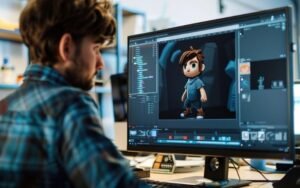
You’ll get hands-on experience using animation tools.
Storyboarding
Before creating animation, you’ll learn how to plan scenes like a story.
Character Design
You’ll start creating simple characters and expressions.
Projects
Most courses give you small assignments so you can practice and build confidence.
How to Choose the Right Animation Class
Not all classes are the same, so choosing wisely is important.
Here’s what you should look for:
- Beginner-Friendly Course: Starts from basics, not advanced level
- Practical Training: More hands-on work, less theory
- Good Trainers: Teachers who explain things in a simple way
- Latest Software: Industry-relevant tools
- Placement Help: Useful if you want a job after learning
Online vs Offline Classes – Which One is Better?
Offline Classes
Best for:
- Direct interaction with teachers
- Better focus and discipline
- Access to systems and labs
Drawbacks:
- Travel required
- Fixed timings
Online Classes
Best for:
- Learning from home
- Flexible schedule
- More course options
Drawbacks:
- Requires self-discipline
- Less personal interaction
Both are good—it depends on your comfort and routine.
Animation Classes Near You
If you’re living in cities like Mumbai or nearby areas, you’ll find many institutes offering beginner animation courses at affordable prices.
You can also learn online through platforms like:
These platforms are great if you prefer learning at your own pace.
Tips to Start Your Animation Journey
Starting something new always feels difficult, but these simple tips can help:
- Start with small projects
- Practice daily (even 30 minutes helps)
- Watch tutorials and learn from others
- Save your work and build a portfolio
- Be patient and stay consistent
Mistakes Beginners Should Avoid
Many beginners make these mistakes:
- Expecting fast results
- Ignoring basics
- Not practicing enough
- Comparing themselves to experts
- Not taking feedback seriously
Remember, everyone starts from zero.
Career Opportunities After Learning Animation
Once you gain skills, many paths open up:
- 2D/3D Animator
- Motion Graphics Designer
- Video Editor
- Game Designer
- VFX Artist
- Freelance Animator
With time and experience, you can even start your own work or collaborate with international clients.