
Student's Project
A small step to growth towards tech…
Projects Developed By Our Students
ANIMATION & VFX
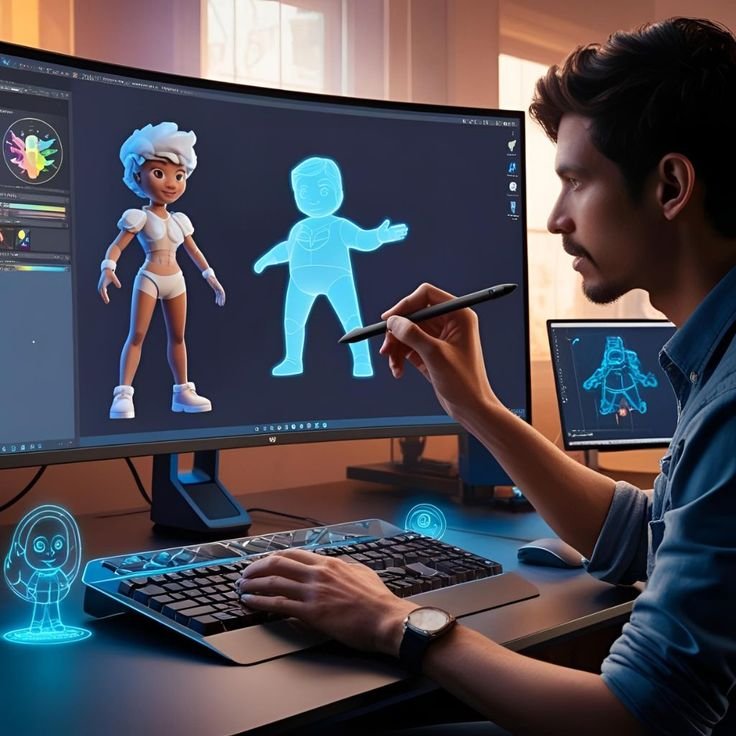
This project focuses on creating realistic 3D animations using modeling, texturing, lighting, and motion techniques
DIGITAL MARKETING

This project focuses on SEO, social media, content marketing, analytics, and online campaign strategy development.
DATA SCIENCE

This project focuses on data analysis, visualization, machine learning models, and deriving meaningful business insights.
CAD DESIGNING

This project focuses on creating precise 2D and 3D drawings using AutoCAD software for real-world designs
WEB & SOFTWARE

This project focuses on developing websites and software applications, enhancing coding skills and practical problem-solving
FULL STACK

This project focuses on full-stack development, building both front-end and back-end of dynamic web applications.
DATA ANALYTICS

This project focuses on analyzing data, extracting insights, creating visualizations, and supporting data-driven business decisions.
MOTION GRAPHICS
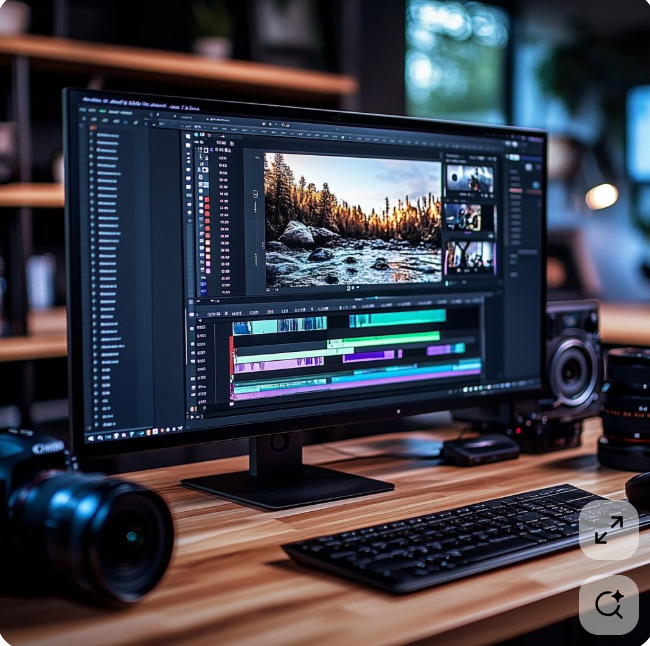
This project focuses on creating dynamic motion graphics, animations, and visual effects for engaging digital content
Hands- On Project Ideas
Hands- on design ideas play a vital part in helping scholars transfigure theoretical knowledge into real- world chops. These systems are designed to give learners practical exposure to assiduity-applicable tools, ways, and workflows. By working on hands- on systems, scholars gain confidence, problem- working capacities, and job-ready experience that employers value the most.Hands- on systems encourage active literacy by allowing scholars to work on live scripts rather of just reading generalities from books. Whether it’s digital marketing, web design, graphic designing, data analysis, or software development, practical systems help scholars understand how real businesses operate. scholars learn how to plan a design, execute strategies, dissect results, and make advancements grounded on performance.
These systems also help scholars make a strong portfolio that showcases their chops and creativity. A well- proved hands- on design demonstrates practical knowledge, specialized moxie, and the capability to handle real challenges. This portfolio becomes a important tool during job interviews, externships, and freelancing openings.Another major benefit of hands- on design ideas is skill improvement. scholars learn cooperation, time operation, communication, and critical thinking while completing systems within deadlines. They also come familiar with assiduity tools similar as content operation systems, design software, analytics tools, and marketing platforms, which increases their employability.
Hands- on systems are designed to match current assiduity trends and request demands. scholars get exposure to real use cases similar as website optimization, social media juggernauts, imprinting systems, app development, or business analysis. This practical experience islands the gap between academic literacy and professional conditions.Overall, hands- on design ideas empower scholars to learn by doing. They boost confidence, ameliorate specialized chops, and prepare scholars for real- world challenges. Practical literacy ensures that scholars are n’t just certified but also professed, educated, and assiduity-ready, making them more competitive in moment’s job request.
Student Project Case Studies
Pupil design case studies give detailed perceptivity into how learners apply their knowledge to break real- world problems. These case studies punctuate the complete trip of a design, from understanding the problem to enforcing results and achieving results. They’re an excellent way to demonstrate practical literacy and professional growth.Case studies help scholars showcase their logical thinking, creativity, and decision- making chops. By establishing design objects, strategies, tools used, and final issues, scholars learn how to present their work in a structured and professional manner. This makes their systems more meaningful and poignant.
Pupil design case studies also reflect real assiduity practices. They involve working on real- time challenges similar as perfecting website performance, adding online visibility, designing stoner-friendly interfaces, or creating marketing strategies. Through these systems, scholars understand customer conditions, request exploration, and performance analysis.Another crucial advantage of pupil design case studies is learning from experience. scholars dissect what worked well and what could be bettered. This process helps them gain deeper perceptivity and strengthens their problem- working capacities. It also prepares them to handle analogous challenges confidently in unborn places.Case studies are extremely useful for job interviews and career growth. babe frequently look for campaigners who can explain their practical work easily. A well- prepared case study proves that the pupil has hands- on experience, assiduity exposure, and the capability to deliver results.
In addition, pupil design case studies inspire other learners by showcasing successful systems and innovative ideas. They produce a literacy terrain where scholars can understand real operations of generalities and develop a professional mindset.Overall, pupil design case studies serve as evidence of practical knowledge and real- world experience. They enhance literacy, ameliorate confidence, and help scholars stand out in a competitive job request by demonstrating their chops, fidelity, and assiduity readiness.